Sovereign Order of St. John of Jerusalem
Knights Hospitaller - The King Peter Orders
The history of the authentic Russian Order of St. John (OSJ) remained largely stable and preserved until the mid-20th century, particularly up to the 1950s. During this era, the Order upheld its traditions, hierarchical structure, and charitable missions, serving as a symbol of noble service and religious devotion. However, this period of continuity was interrupted by internal conflicts, most notably the first significant schism within the Order.
This schism was instigated by French Knight Granier de Cassagnac. His unsuccessful attempt to become the Grand Master of the Order sparked internal tensions. Disappointed and potentially motivated by personal ambitions or disagreements over governance, Cassagnac took unilateral actions that undermined the Order. His effort to seize full control resulted in a factional split: Cassagnac and his supporters based in France broke away from the main body of the Order based in the USA. Recognizing the severity of this move, the “COURT OF HONOUR” of the OSJ convened in Philadelphia on 24 February 1962 to address the situation and declared him DEPOSED from his former office of Lieutenant Master and EXPELLED him from the Order, reaffirming the legitimacy of the traditional hierarchy rooted in the original structure. Also, a court ruling issued that same year explicitly recognised Cassagnac’s faction as an illegitimate offshoot of the original OSJ.
Despite this reaffirmation, Cassagnac, along with King Peter of Yugoslavia and a core group of loyal Knights, severed ties with the original Order to establish their own organisation. Over the following years, this new faction experienced internal divisions, resulting in the emergence of two separate groups claiming to be the true continuation of the original Order. One of these factions undertook comprehensive reforms, adopting a new constitution that was personally approved by King Peter in 1962.
To visually distinguish itself from the true Russian Order of St John, the King Peter Order modified its regalia and decorations, changing its colour scheme from black to red—symbolic of its renewed identity and heritage.
King Peter was an exiled monarch who, by exercising his royal prerogative as fons honorum, a Latin term meaning the fundamental source of legitimacy and authority to establish a chivalric order or institution, affirmed his role as the legitimate founder of his Order. This distinguished him as a legitimate founder of his Order, affirming its authenticity and noble status. In 1962, he officially established this Order as a genuine dynastic entity, emphasising its roots in royal lineage and hereditary tradition.
Following King Peter’s death, the King Peter Order fragmented into many groups, with numerous factions claiming to be the authentic continuation of the original Russian OSJ. Many groups asserted direct founding ties to King Peter himself, often leading to disputes over legitimacy and heritage. Despite these ongoing divisions, the original King Peter Order remains active today, with its headquarters at Palazzi Sapienti in St Paul's Street, Valletta, Malta. It continues to engage in charitable activities, community service, and the promotion of its core values of charity, chivalry, and religious devotion.
In contrast, the status of the Cassagnac Order remains uncertain. It is unclear whether this group persisted or eventually dissolved or merged with other entities of the King Peter Order. Due to the lack of recent verifiable activity, its current existence remains uncertain, rendering its historical footprint somewhat obscure.

King Peter donning the cape and insignia of the genuine Russian Order of St. John prior to the schism.
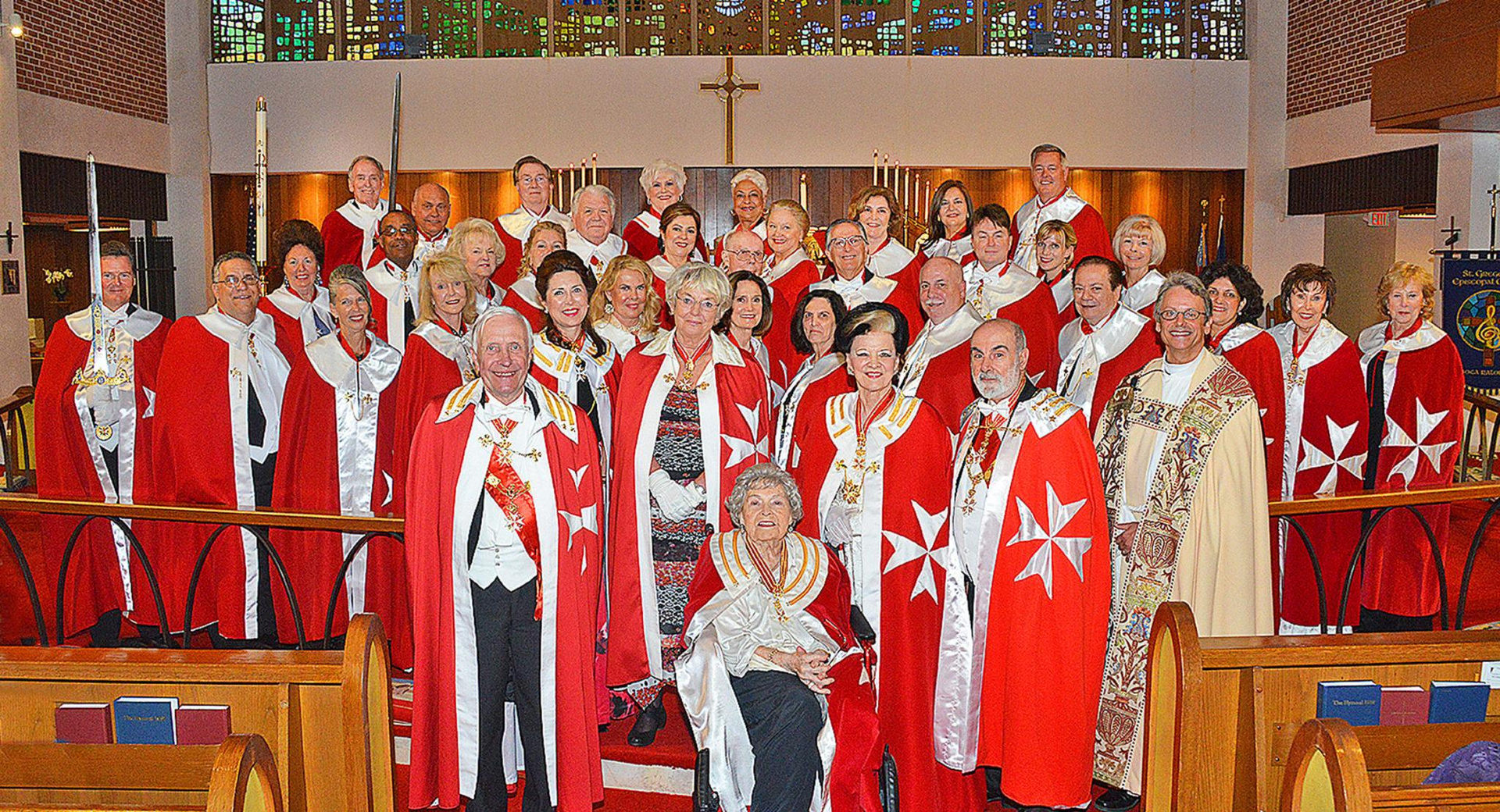
One of the numerous King Peter Order members donning their red capes.